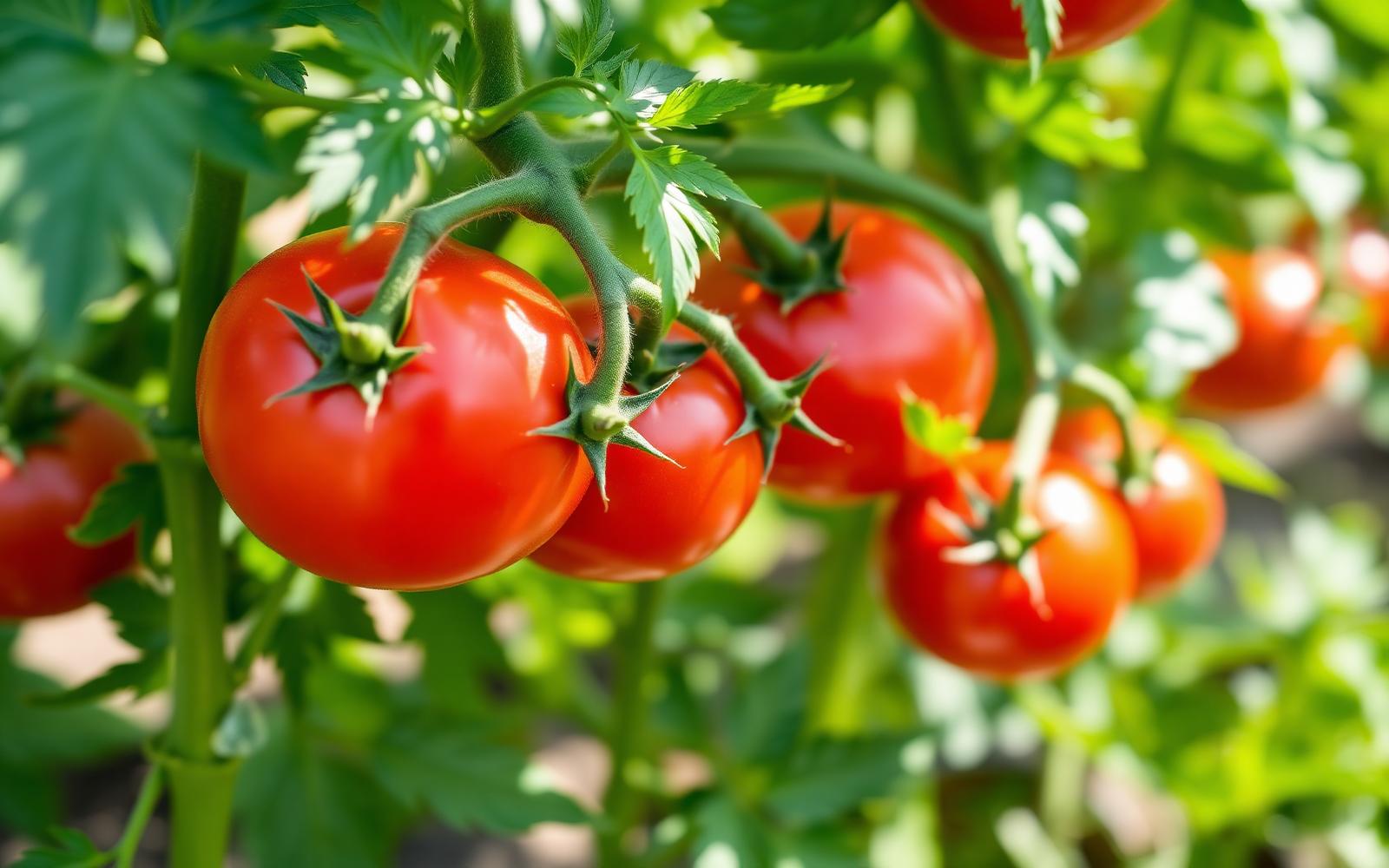
Everything for the Tomato Grower
Planting, watering, fertilizing and pruning, monthly calendar, and identification of diseases and pests by symptoms.
September — Ripening
The end of the season is approaching — encourage the ripening of remaining fruits, prepare for frosts.
3–4 weeks before frosts, remove tops/barren parts.
Start protecting against the first autumn frosts.
Pick green fruits for ripening if cold weather is approaching.
Care Guides
Step-by-step articles on each stage of tomato growing.
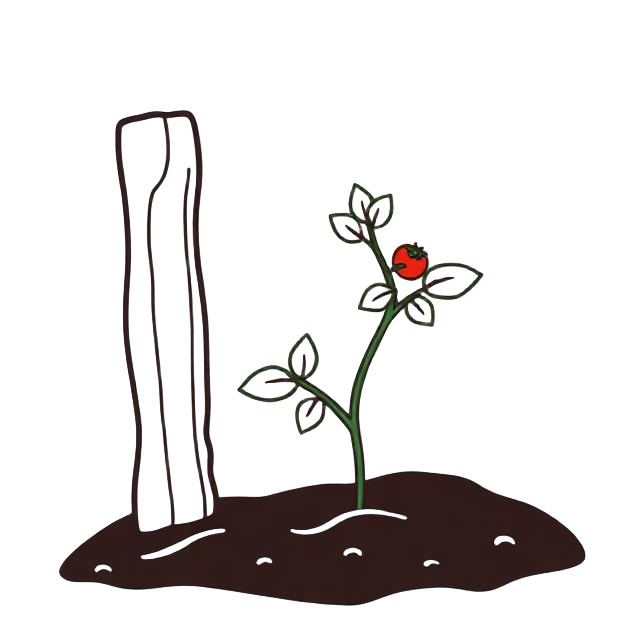
Planting, transplanting and supports
When and how to transplant seedlings, how to select the healthiest plants, what planting depth and what supports to choose.
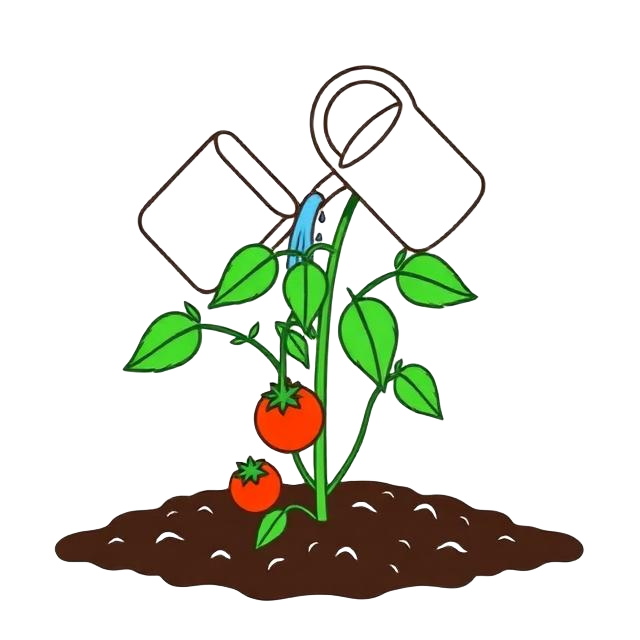
Watering and mulching
When and how much to water tomatoes, which watering systems are best, and how mulch helps retain moisture.
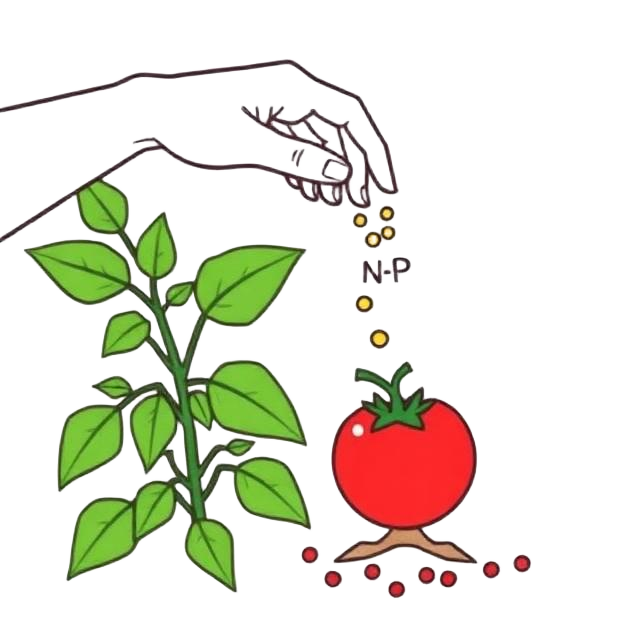
Fertilization
What nutrients tomatoes need at different growth stages, what N-P-K means, and which organic fertilizers are suitable.
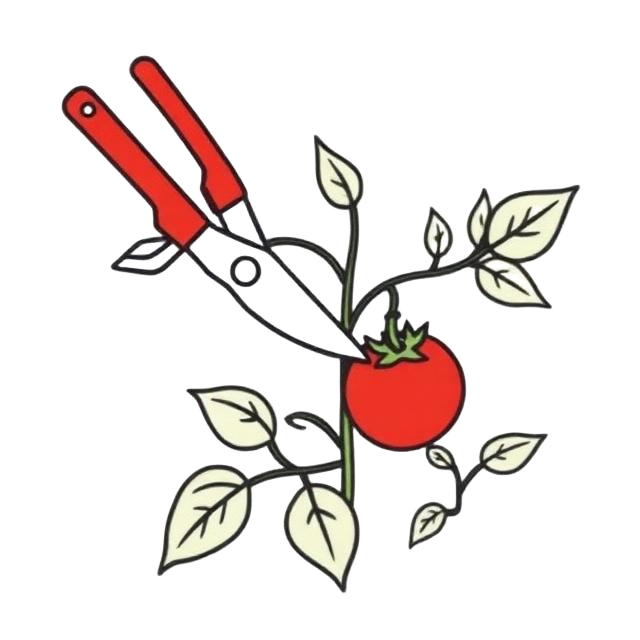
Bush Formation and Pruning
Determinate and indeterminate tomatoes, pinching suckers and leaves, and topping at the end of the season.
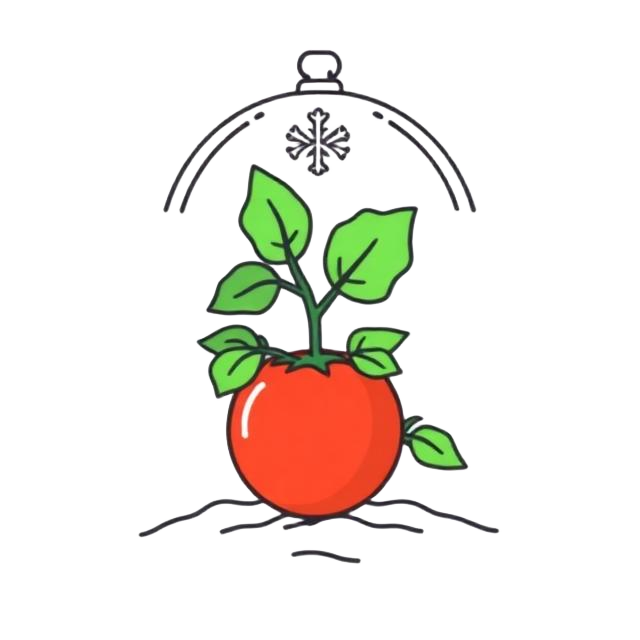
Protection from Frost
Heat accumulators, multi-layer covers, compost heat, agro-textile, and heaters – how to protect tomatoes from cold snaps.
Problem Guide
Identify diseases and pests by symptoms and groups.
Insects
Sucking and chewing pests that attack leaves, stems, or fruits.
3 descriptionsWorms and larvae
Larvae and nematodes that damage the plant from within or its roots.
2 descriptionsBacterial diseases
Often seed-borne, difficult to diagnose.
2 descriptionsFungal diseases
Most common diseases — spots, wilting, dying off.
10 descriptionsViral diseases
Spread by insects or humans, difficult to cure.
2 descriptionsNutrient deficiency
Changes in the plant and fruits caused by deficiency or excess.
7 descriptionsOther growing problems
Fruit and leaf defects caused by temperature, watering, or sun.
5 descriptionsCommon Problems
All
Late blight
Phytophthora infestans
Dark green or black spots appear and spread on the edges of the leaves. The same can appear on the fruits.
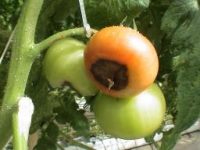
Blossom end rot
A large rot appears on the bottom of the fruit. This happens due to a lack of calcium in the fruit. The deficiency can manifest not only due to its absence in the soil, but also due to irregular watering.
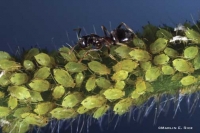
Aphids
These are small green (sometimes reddish, brown) flies that usually attack in swarms. They suck the sap from leaves or stems, but do not touch the fruits. A tomato plant can withstand significant aphid attacks, but they should not be neglected, as too many can weaken the plant. These flies can also be carriers of viral diseases. A similar species is whiteflies; they act similarly, but are half the size. Aphids are protected by ants: contrary to popular belief, ants do not destroy aphids, but help them thrive.
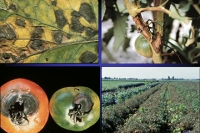
Early blight and black fruit rot
Alternaria solani
Usually appears when fruits begin to set. First affects the lower leaves, then the stem and fruits. Large brown or black spots with concentric rings appear on them. Around the spot, the leaf begins to yellow and dies. It also attacks potatoes and eggplants. The fungus is resistant and persists for several years.

Fruit cracking
Scars appearing around or across the tomato. The fruit cracks if it ripens during a hot period and at the same time receives too much water — cracks appear due to too rapid water uptake.
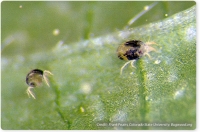
Spider mites
A creature the size of a salt crystal with two black spots on its back. They usually weave webs on the underside of the leaf, causing the most problems during the hottest and driest summer months. They suck plant sap — yellow spots develop in the affected areas, which later turn brown and die.